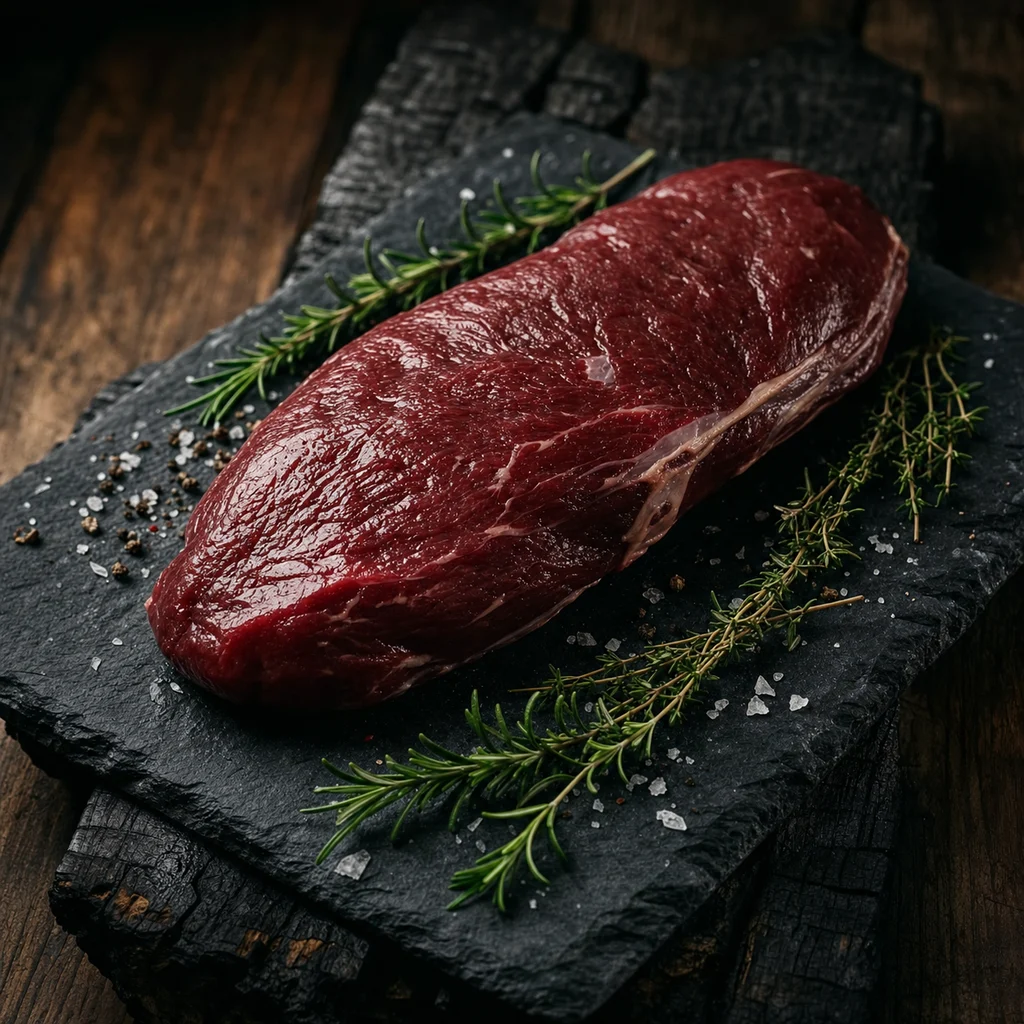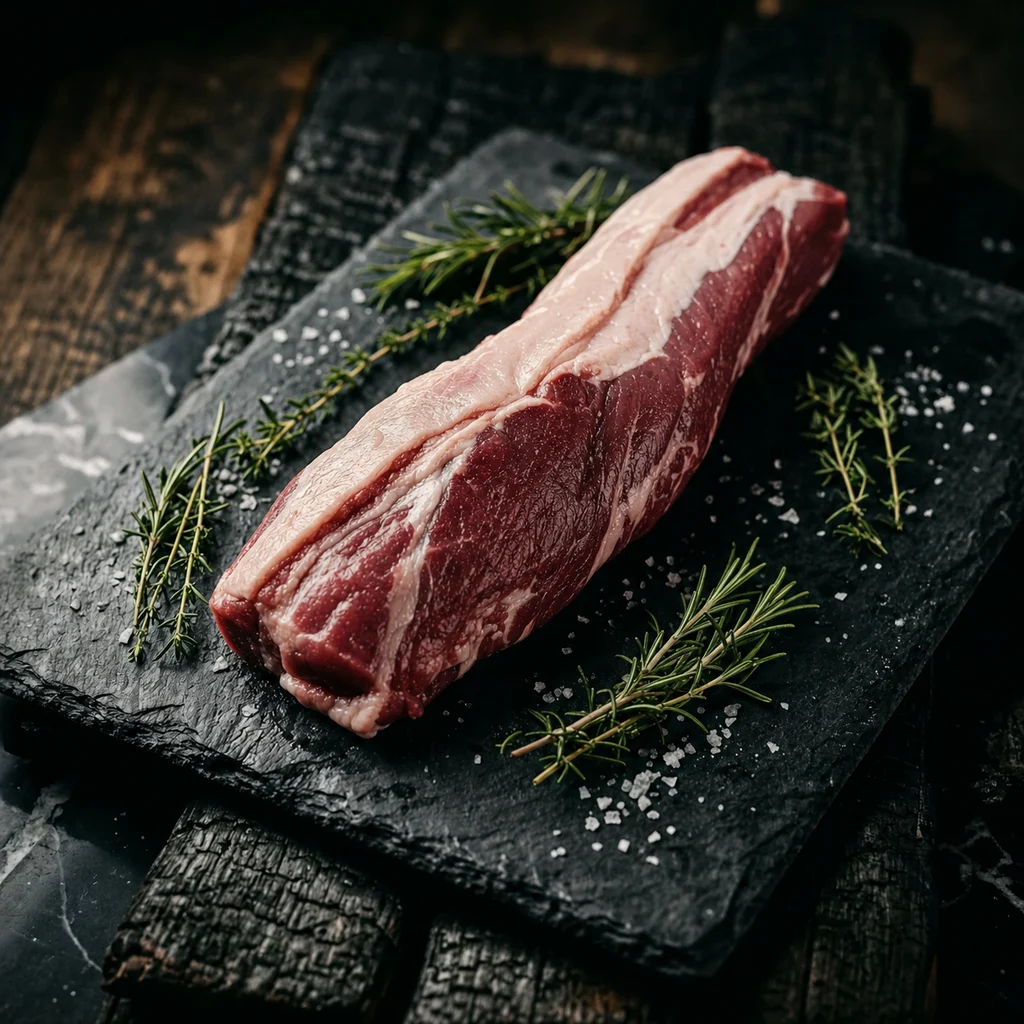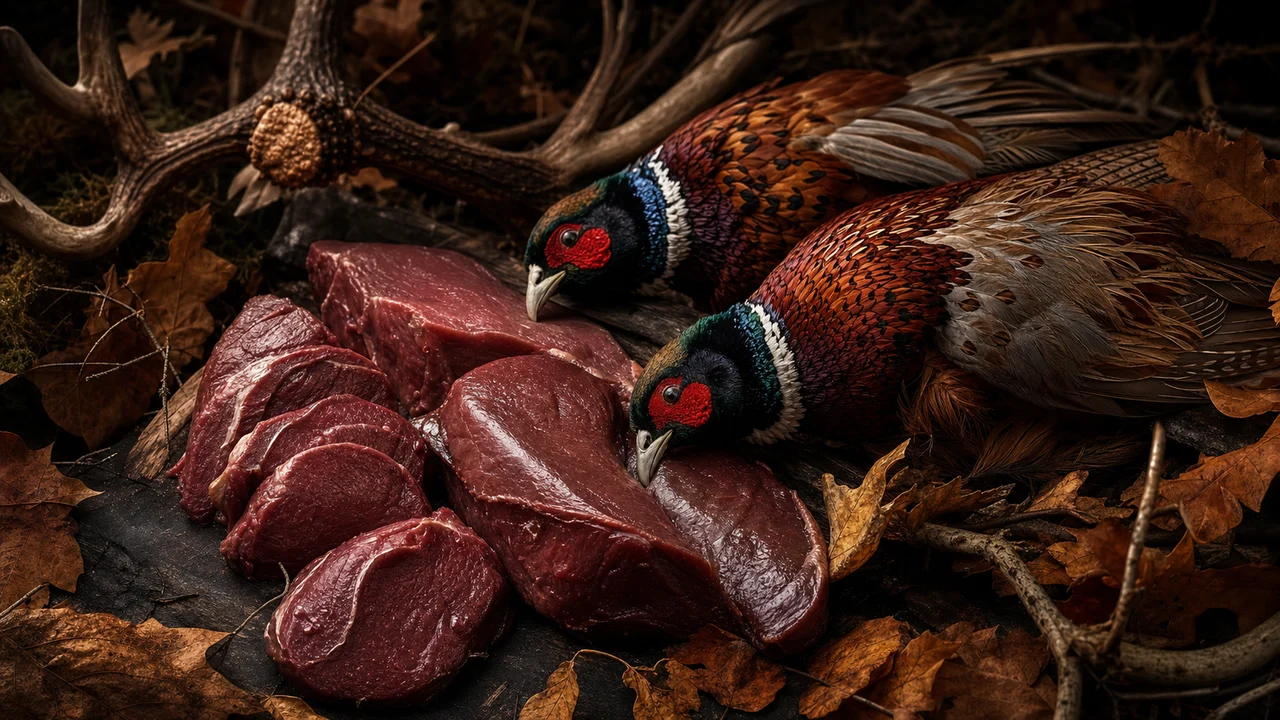
Game meat is wild meat, and the wildness shapes everything: the season when it is available, the diet the animal ate and the landscape it moved through, the density of its muscle, and ultimately the technique required to cook it well. Where domesticated beef tastes effectively the same in January as it does in July — the product of controlled feeding and stable housing — a roe deer taken in October tastes distinctly different from one taken in March, differs meaningfully from a fallow deer shot in the same forest, and requires entirely different technique than a wild boar. To eat game well is to enter into a relationship with the season and the landscape the animal came from.
The European Game Calendar: Ecology Made into Law
European hunting seasons follow the ecological rhythms of breeding, rearing, fattening, and natural harvest that have governed wildlife populations for millennia. The seasons concentrate in autumn and early winter for most species, precisely when the animals are at their physiological peak: well-fed from summer and autumn abundance, fully conditioned from months of movement, carrying the seasonal fat reserves that define their flavor character.
Roe deer (Capreolus capreolus, German: Reh): May through mid-January in most German Bundesländer, with regional variation. The smallest native European deer — delicate, lean, almost milky in flavor when young. The loin and saddle (Rehrücken) are among the most prized cuts in continental European game cookery, appearing on virtually every serious autumn menu from Munich to Paris.
Red deer (Cervus elaphus, German: Rotwild): August through January. The largest native European deer, producing the most robustly flavored venison — dark-muscled, iron-forward, with a characteristic wild mineral quality. This is the "beef" of European game: capable of supporting assertive wine pairings, long marinades, and the full range of classical game sauce treatments.
Wild boar (Sus scrofa, German: Wildschwein): Year-round in Germany due to managed population pressure, but at its absolute best in October and November when animals have fattened intensively on acorns, beechnuts, chestnuts, and autumn roots. Wild boar muscle is dense, dark, and dramatically unlike domestic pork — a product of sustained daily movement and a varied forest diet. An autumn-harvested boar that has fed heavily on mast carries subtle nuttiness in its fat that no domestic breed can replicate.
Fallow deer (Dama dama, German: Damwild): July through mid-January. Between roe and red in size, flavor intensity, and fat content. The most commercially produced of the three deer species, but retaining genuine wild character when hunted from free-ranging populations.
Hare (Lepus europaeus) and game birds (pheasant, partridge, wild duck): October through mid-January for hare; September through early February for birds depending on species. Hare in particular demands precise cooking — either very brief (loin at 55°C, served pink) or very long (slow-braised in red wine for 3+ hours). There is almost no useful middle ground.
| Species | German | Season Peak | Flavor Character | Key Cuts |
|---|---|---|---|---|
| Roe deer | Reh | October–November | Delicate, milky, mineral | Loin, saddle, haunch |
| Red deer | Rotwild | October–December | Bold, iron-forward, rich | Loin, shoulder, leg |
| Wild boar | Wildschwein | October–November | Dense, nutty, forest-forward | Loin, shoulder, belly |
| Fallow deer | Damwild | October–December | Medium intensity, versatile | Loin, leg, rack |
| Hare | Feldhase | October–December | Intensely lean, deeply flavored | Loin, saddle, legs |
What "Wild" Really Means for the Meat
Wild animals move continuously through terrain that demands real muscular exertion. This movement builds muscle density, increases myoglobin concentration (the oxygen-storing protein responsible for both the dark color and the iron-forward flavor of wild muscle), and develops the connective tissue that gives wild meat its characteristically firmer texture. A venison loin from a forest-hunted red deer is measurably darker, denser, and more mineral than the equivalent from a farmed deer, even a species-identical one raised on identical feed. The difference is physiological: earned muscle is different muscle.
The diet shows directly on the palate. A roe deer that has fed through September on clover, wild herbs, and mushrooms produces a loin with distinctly aromatic notes alongside the characteristic mineral of the myoglobin. An October wild boar loin from an animal fattened on acorns carries nuttiness in its fat that standardized domestic pork cannot replicate. Two red deer of the same sex, age, and body weight from different forests twenty kilometers apart in the same week can taste meaningfully different — a reflection of divergent local vegetation, soil mineral composition, and forest ecology. This is not inconsistency; it is terroir.
Pro tip: Game cooks fast and forgives nothing. The lean, high-myoglobin muscle of deer and wild boar loin has almost no internal fat buffer to compensate for overcooking. Pull at 52–54°C for loin cuts, rest immediately and completely, and serve on a warm plate. Above 58°C, the texture begins a rapid and irreversible deterioration.
Sourcing: Where Quality Actually Starts
In Germany, the cleanest source for authentic wild game is a Förster (licensed forester-hunter) or a Wild-Direktvermarkter — a hunter licensed to sell directly to consumers. These are traceable, single-origin products where you can know the species, sex, approximate age, date of harvest, and often the specific forest. The contrast with anonymous game from commercial distribution — where origin is obscured and the product may have passed through multiple handling stages — is significant and consistent.
Premium specialty retailers — Frischeparadies, Otto Gourmet, equivalent Feinkost operations in Munich, Hamburg, Frankfurt — stock regional and traceable game in season (October through January) and label region of origin. Always ask whether the animal was hung, and for how long. Hanging is not optional: red deer requires 7–14 days at 2–4°C for the enzymatic tenderization that raw rigor mortis prevents; roe deer benefits from 5–7 days. Without adequate hanging, even a perfectly harvested deer loin will eat noticeably tougher than its potential.
New Zealand farmed red deer is available year-round, consistent in quality, and mild in flavor — a practical alternative, not an equivalent. The seasonality, ecological connection, terroir-driven variation, and ethical dimension of wild harvest are all absent.
Cooking Principles: The Structural Logic of Wild Muscle
Premium tender cuts — venison loin, venison rack, wild boar loin, roe deer saddle — should be targeted at 52–55°C internal temperature. The lean muscle structure goes from ideally juicy to noticeably dry within 4–5°C of overcooking. A reverse-sear approach (low oven at 80°C to target temperature, then high-heat sear) provides the most control. Rest completely before slicing.
Braising cuts — venison shoulder, leg, neck; wild boar shoulder; hare legs — benefit from long, moist cooking at 140–160°C covered in red wine, juniper berries, bay leaf, and aromatics. 2–3 hours produces a braise with structure; 3–4 hours produces a ragù-style texture that falls from the bone. Venison shoulder braised for 3 hours and shredded into pasta with its reduced braising liquid rivals the finest beef ragù in depth and complexity.
Marinating: Heavy acidic marinades — originally designed to tenderize tough, older animals and mask pre-refrigeration handling — denature the surface protein, create a mealy exterior texture, and mask the season-specific, terroir-driven character that is the entire point of premium game. If marinating at all, use a brief 4–6 hour immersion in good red wine with juniper and bay, nothing harsher.
Pro tip: Match game with the landscape it came from. Northern Rhône Syrah (Crozes-Hermitage, Cornas) beside venison loin reflects the same cool, mineral, iron-forward profile as the meat itself. German Spätburgunder from Baden or the Ahr — cold-climate Pinot Noir with earthy precision — beside roe deer saddle is the most regionally coherent pairing in the European game tradition.
Seasonality as Philosophy
The roe deer loin of October is not the roe deer loin of March. The forest's autumn abundance — acorns, herbs, mushrooms — becomes this month's flavor. Few foods anchor an eating experience to a specific moment in ecological time as completely as wild game at peak season. Domesticated protein, produced year-round on identical specification, cannot offer this. Eating wild game in season is also a direct participation in sustainable wildlife management: European game populations require active hunting pressure to remain within the carrying capacity of the forest ecosystems they inhabit. The harvest is not incidental to conservation; it is integral to it.
Summary
Game meat is season-dependent, terroir-expressive, and technically demanding in ways that distinguish it categorically from domesticated protein. The European game calendar concentrates quality in autumn and early winter; each species brings its own flavor character, fat content, and cooking margin. Source from direct-to-consumer hunters or premium traceable retailers. Pull tender cuts at 52–55°C, braise collagen-rich cuts long and low, marinate sparingly if at all, and pair with wines of structural minerality and earned complexity. The season defines the dish — accept that specificity and the reward is complete.