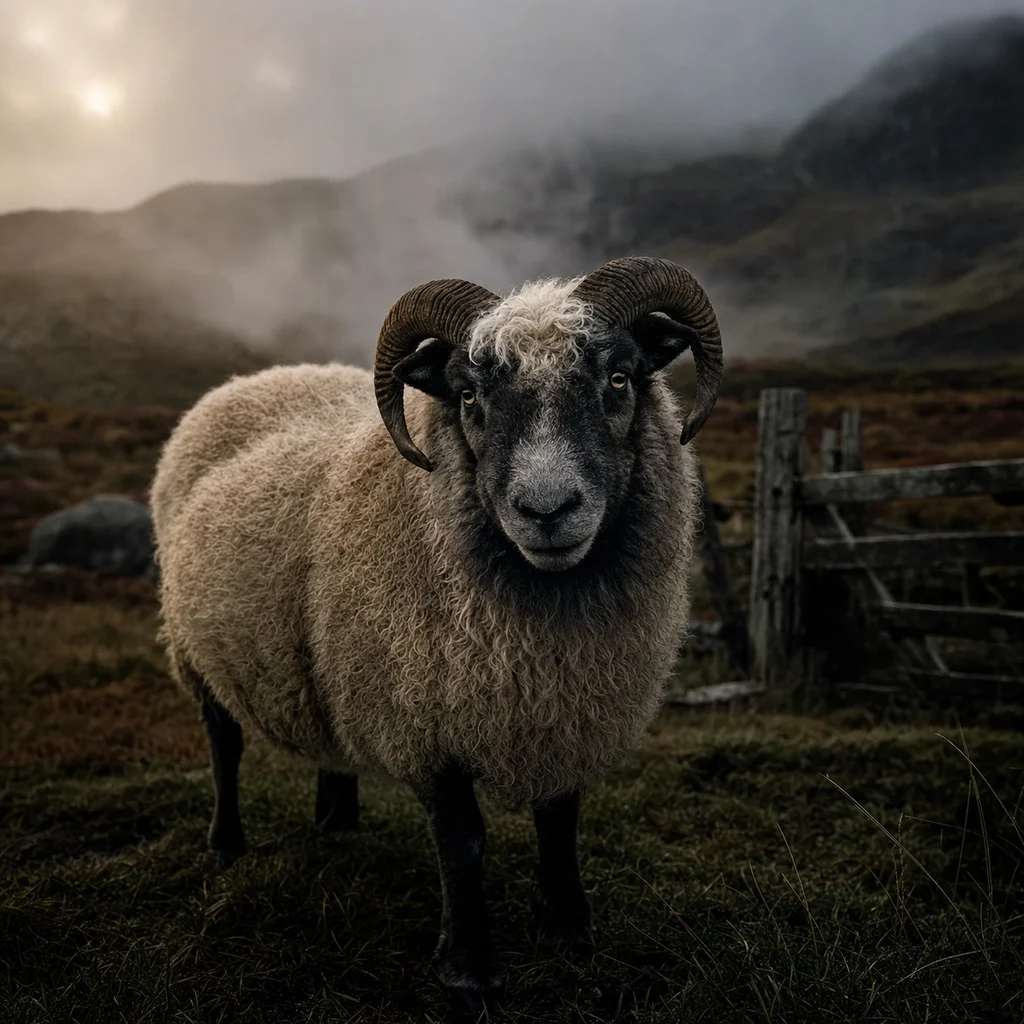
 Heritage Breeds
Icelandic Sheep
About the breed
The Icelandic Sheep is a legendary heritage breed, surviving in isolation since the Viking Age and cherished by connoisseurs for its unparalleled purity. It represents the pinnacle of extensive, natural farming, thriving on the rugged volcanic landscapes of the North Atlantic. Chefs prize this lamb for its elegant, mild profile that lacks the aggressive gaminess often associated with commercial sheep. It is widely considered one of the finest delicacies of Nordic cuisine, offering a taste of untouched wilderness.
Roots & Heritage
Descending from the short-tailed sheep brought by Norse settlers in the 9th century, the breed has remained genetically isolated for over 1,100 years. It is one of the oldest and purest sheep breeds in the world, shaped by the harsh Arctic climate and Iceland's unique volcanic geography. The "Icelandic Lamb" designation holds a Protected Designation of Origin (PDO) status, ensuring traditional free-range rearing methods are strictly maintained.
Meat Profile
The meat is exceptionally fine-grained and tender, characterized by a lean structure with delicate intramuscular marbling. Its flavor is remarkably clean and subtle, reflecting a diet of wild arctic herbs and mountain grasses rather than heavy grains. Unlike many other breeds, the fat has a high concentration of omega-3 fatty acids and a silky, non-waxy mouthfeel that dissolves beautifully upon cooking.
In the Kitchen
To honor the delicate nature of Icelandic lamb, it should be prepared with minimalist seasoning—often just sea salt and light mountain herbs. High-heat searing followed by a slow rest is ideal for loin cuts, which are best served medium-rare to preserve their natural succulence. Overcooking must be strictly avoided, as the lean muscle can dry out quickly due to the lack of heavy external fat pads typical of modern breeds.