 Heritage Breeds
Karakul
About the breed
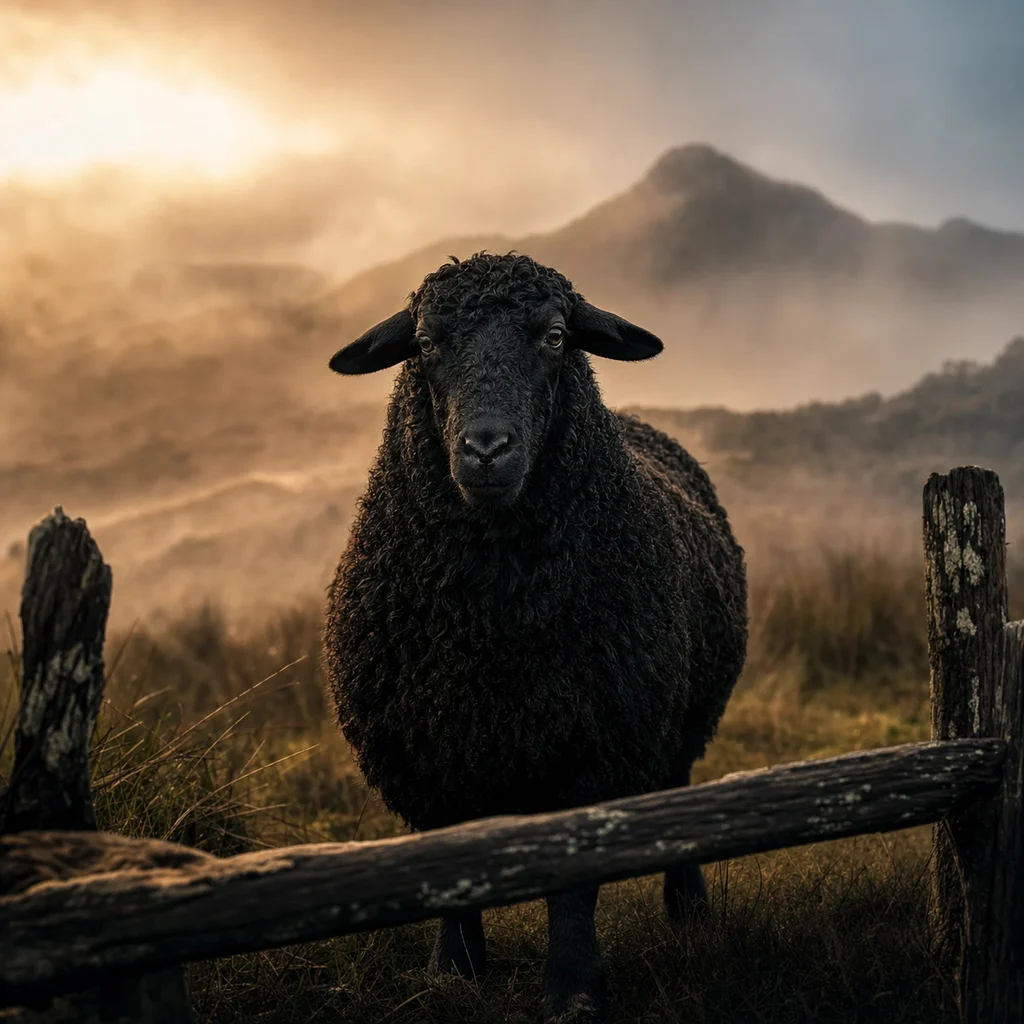
The Karakul is an ancient desert heritage breed that stands as a pillar of Central Asian culinary history. Known as one of the world's oldest domesticated sheep, it offers a flavor profile far more complex and robust than modern commercial lamb. Connoisseurs value it for its lean, mineral-rich muscle and its distinctive fat tail, which provides a unique, high-quality culinary fat. This is a breed that reflects the terroir of the arid steppes and the ancient Silk Road.
Roots & Heritage
Tracing its lineage back over 5,000 years to the region around Bukhara in modern-day Uzbekistan, the Karakul is a true ancestral breed. It was developed by nomadic tribes to survive the extreme temperatures and sparse vegetation of the Central Asian deserts. Its name is derived from the village of Qoraqul, meaning 'Black Lake' in Turkic languages, and the breed historically spread via ancient trade routes across the Middle East and Africa.
Meat Profile
Karakul meat is characterized by its deep, ruby-red color and an intense, almost gamey depth of flavor. Unlike Western breeds where fat is marbled through the muscle, the Karakul stores its energy in a large fat tail, resulting in relatively lean primary cuts. The meat possesses a notable mineral finish, a direct result of the saline and aromatic desert shrubs that make up its diet, offering a firm yet rewarding texture.
In the Kitchen
Expert preparation revolves around the strategic use of the prized fat tail, which should be rendered to baste the leaner cuts or used as the base for traditional dishes like Plov. The primary cuts respond best to slow-braising or high-heat charcoal grilling to develop a Maillard crust without drying out the lean interior. It is essential to serve the meat medium-rare; overcooking can lead to toughness due to the lower levels of intramuscular fat.