About the breed
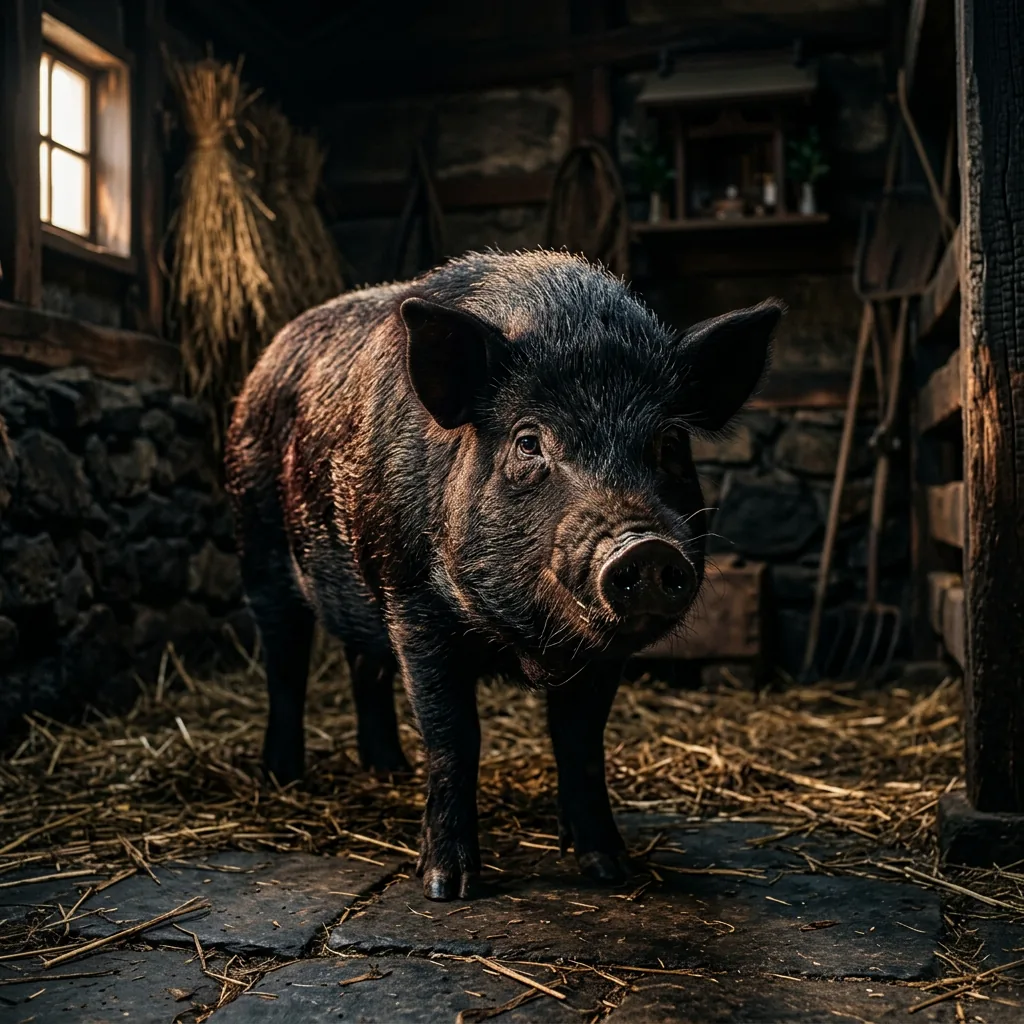
Kurobuta, the 'Black Hog,' represents the absolute pinnacle of pork quality and is often revered as the 'Wagyu of pork' by international gourmets. This Japanese refinement of the Berkshire breed is celebrated for its unparalleled tenderness, high intramuscular fat, and a depth of flavor that far exceeds commercial swine. It remains the definitive choice for connoisseurs seeking a luxurious, melt-in-the-mouth texture and a clean, sweet finish.
Roots & Heritage
The lineage dates back to the 1860s when British Berkshire pigs were gifted to Japan and subsequently flourished in the Kagoshima region. Over a century of meticulous selective breeding at the Kagoshima Prefecture Livestock Experimental Station transformed these animals into a distinct culinary treasure. Today, Kagoshima Kurobuta is recognized as a premium brand with strict geographical and genetic standards, often likened to a protected designation of origin.
Meat Profile
The meat is distinguished by its deep, rosy-red hue and a remarkably high pH level, which ensures superior moisture retention and a silky mouthfeel. Unlike standard lean pork, Kurobuta features intricate marbling and a firm, snow-white fat cap that possesses a lower melting point than other breeds. Its flavor is characterized by a distinctive nutty sweetness and a total absence of the 'gamey' or metallic notes found in industrial pork.
In the Kitchen
To preserve the integrity of its delicate fat, cuts like the loin are traditionally prepared as Tonkatsu or sliced paper-thin for Shabu-shabu, where the fat can gently emulsify. It is imperative to avoid overcooking; serving the meat at a medium internal temperature allows the juices to remain trapped within the dense muscle fibers. Grilling over charcoal is highly recommended to caramelize the fat edges, enhancing the natural sweetness of the Satsuma-fed heritage pork.