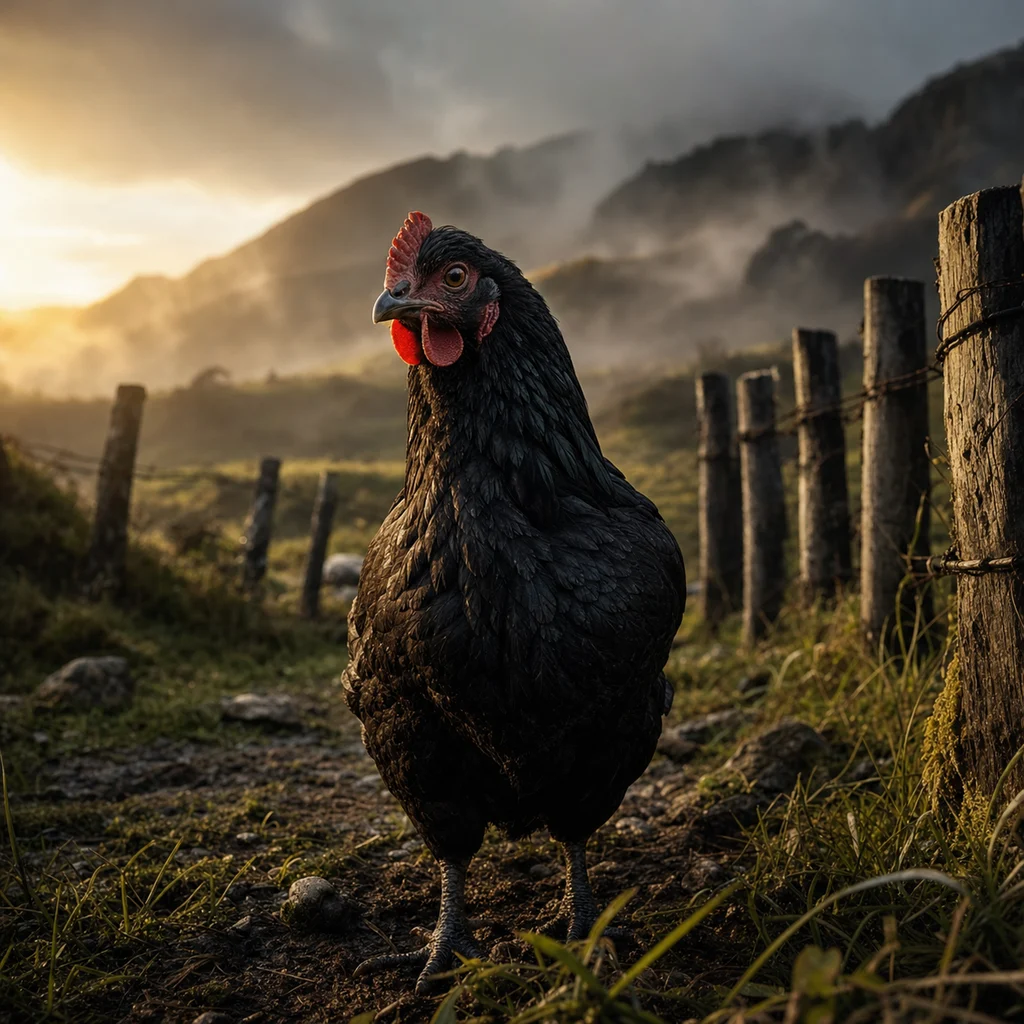
 Heritage Breeds
Marans
About the breed
The Marans is a legendary French heritage breed, celebrated by gourmets as the ultimate dual-purpose bird. Renowned globally for its iconic chocolate-brown eggs, it commands equal respect in the kitchen for its firm, deeply aromatic flesh and traditional character. It represents the pinnacle of rustic French poultry, offering a density and complexity of flavor that modern hybrids simply cannot replicate. For the true connoisseur, the Marans chicken is a testament to the terroir of the Charente-Maritime region and a staple of high-end gastronomy.
Roots & Heritage
Emerging in the 19th century from the marshy port town of Marans in southwestern France, the breed developed from crossing local farm chickens with fighting cocks brought by English sailors. This unique heritage bestowed the Marans with its robust constitution and a distinctive, vigorous growth profile suited for free-range life. The breed gained worldwide fame, notably being cited by author Ian Fleming as producing the only eggs worthy of James Bond. Today, it remains a protected symbol of French agricultural heritage, maintained through strict breeding standards.
Meat Profile
The meat of the Marans is characterized by its significant density and a rich, dark-toned pigment particularly in the legs and thighs. Unlike industrial poultry, the fat is well-integrated and provides a silky mouthfeel with a pronounced, nutty complexity and a hint of gameyness. The flavor is intense and savory, reflecting its active lifestyle and natural foraging diet. The texture is firm and substantial, offering a satisfying bite that holds its structure exceptionally well during culinary preparation.
In the Kitchen
To honor the Marans' heritage, slow-roasting or traditional French braising methods like Coq au Vin are highly recommended to gently soften the firm muscle fibers. A high-heat sear followed by a low-temperature finish allows the flavorful skin to crisp while preserving the natural succulence of the lean breast meat. Chefs should avoid fast, high-temperature frying, which can cause the heritage muscle to toughen; moisture-retaining methods are superior here. Always allow the bird to rest thoroughly after cooking to ensure the juices redistribute through the dense grain.