 Heritage Breeds
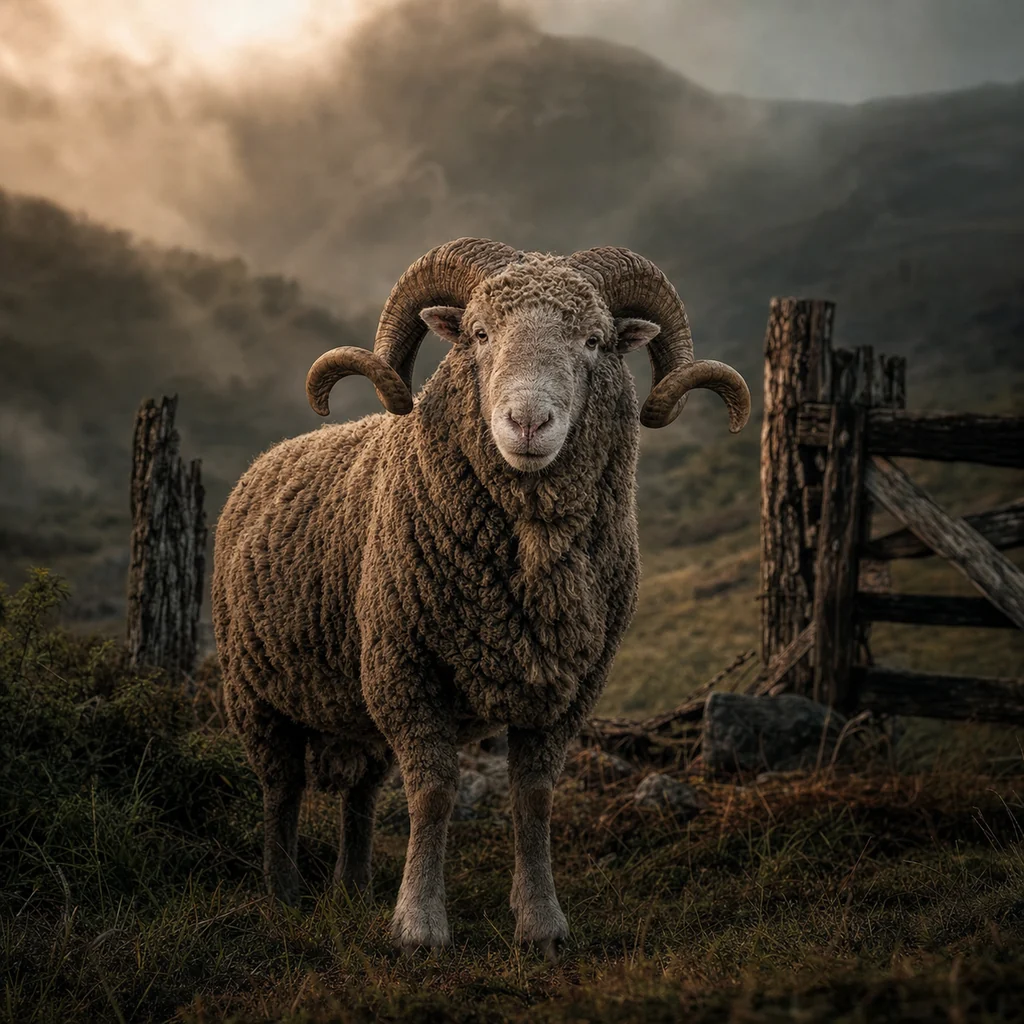
Merino
About the breed
The Merino is the quintessential fine-wool breed that, while historically celebrated for its fleece, offers a meat profile of unparalleled elegance and refinement. Among connoisseurs, it is prized for its lean, fine-grained muscle structure that lacks the heavy, tallowy character of larger meat-specialist breeds. It represents a true 'terroir' animal, reflecting the subtle mineral and herbal notes of the sparse pastures it typically inhabits. For the modern chef, it is the ultimate expression of delicacy in the lamb category, offering a clean and sophisticated palate.
Roots & Heritage
Originating in medieval Spain's Extremadura region, the Merino was a state treasure so valued that exporting live specimens was once a capital offense. In the late 18th century, the breed was introduced to Australia, where it was further refined into the world's premier wool producer. While Australia remains its spiritual modern home, its lineage traces back to the nomadic transhumance patterns of the Iberian Peninsula, where it developed its hardy and adaptable nature.
Meat Profile
The meat is characterized by its pale ruby color and exceptionally fine muscle fibers, leading to a velvety texture on the tongue. Unlike the thick fat caps found in British breeds, Merino fat is clean, white, and subtle, providing a nuanced flavor rather than an overpowering richness. The flavor profile is mild and floral, making it ideal for those who find traditional lamb too gamy or intense.
In the Kitchen
Due to its lean nature and delicate fiber structure, Merino lamb requires precise temperature control to avoid drying out. It is best suited for quick-searing or sous-vide methods, ideally served rare to medium-rare to preserve its inherent succulence. Chefs should avoid heavy marinades that mask the subtle meat; instead, use light seasoning and gentle reductions. The rack and loin are the star cuts, showcasing the breed's signature tenderness.