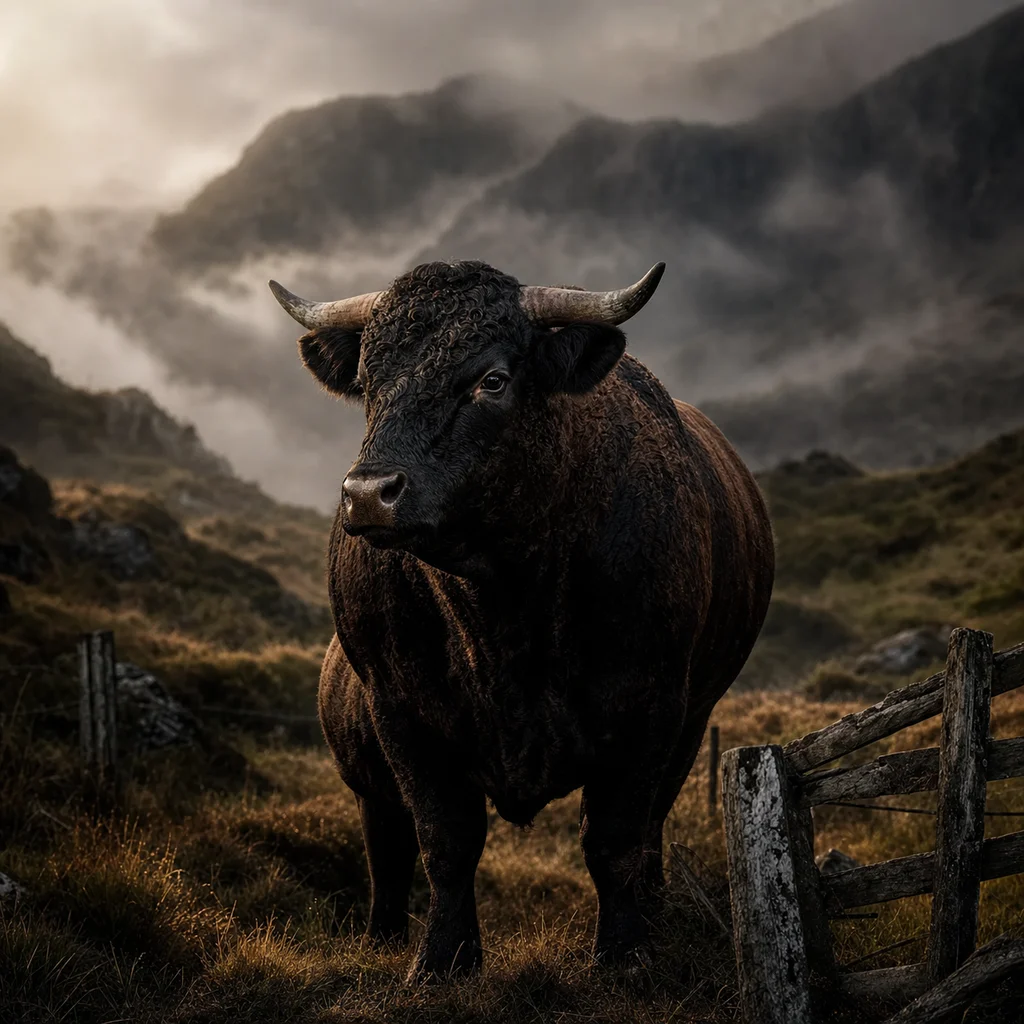
About the breed
The Pinzgauer is a prestigious Alpine breed known for its distinctive chestnut-red coat and iconic white 'finching' stripes. Among connoisseurs, it is prized as one of the finest beef breeds in Europe, balancing extreme mountain hardiness with a surprisingly refined meat quality. It stands as a symbol of sustainable high-altitude agriculture, offering a depth of flavor that reflects its pristine heritage.
Roots & Heritage
Originating in the Pinzgau region of Salzburg, Austria, formal selection of this breed dates back to the 18th century. Traditionally a dual-purpose animal, it was bred to navigate steep, rocky terrain while providing high-quality milk and meat for mountain communities. Today, the specialized beef lineage is globally recognized for its genetic purity and its ability to thrive on Alpine forage.
Meat Profile
The meat is characterized by exceptional intramuscular fat for a Continental breed, featuring a bright cherry-red color and remarkably fine muscle fibers. It possesses a succulent, juicy texture with a creamy fat character that carries notes of Alpine herbs. Scientific studies have confirmed its 'low grill loss,' meaning the meat retains significantly more moisture and volume during cooking than many other breeds.
In the Kitchen
Due to its fine structure and superior marbling, Pinzgauer beef is an ideal candidate for dry-aging, which concentrates its naturally nutty undertones. Steaks should be prepared over high heat and served medium-rare to best showcase the tender fiber structure and the meat's unique ability to hold its juices. It is equally excellent for traditional braising, where the marbling ensures the meat remains moist and flavorful.