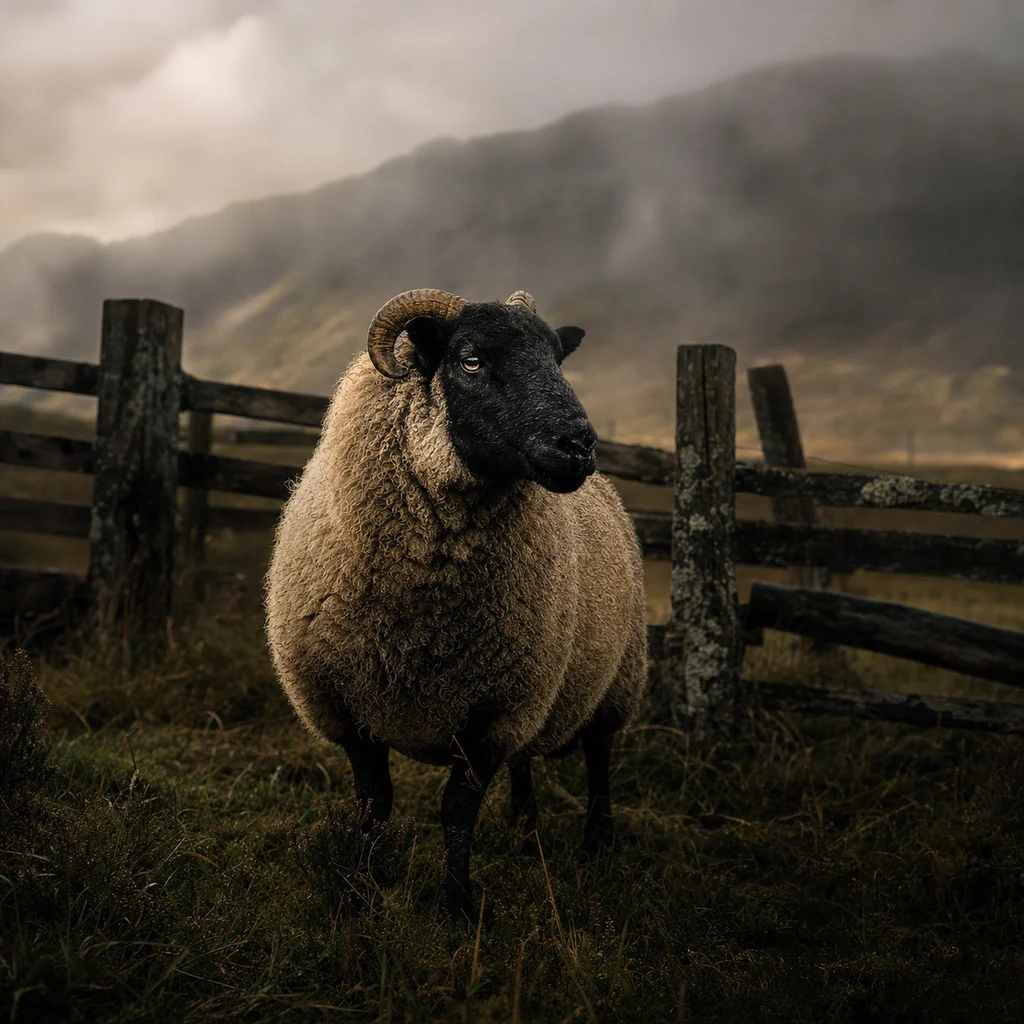
 Heritage Breeds
Romney
About the breed
The Romney, traditionally known as the Romney Marsh sheep, is a cornerstone of global lamb production and a favorite among those who value a clean, refined flavor profile. Celebrated as one of England’s most resilient heritage breeds, it provides a perfect balance between high-quality wool and premium meat. Connoisseurs prize it for its mild, sweet-tasting meat that lacks the heavy muttony intensity often found in coarser breeds. It represents the gold standard for reliable, high-volume quality lamb that maintains exceptional consistency.
Roots & Heritage
Originating in the low-lying, damp Romney Marsh of Kent, England, this breed evolved to thrive in challenging coastal conditions that would compromise other sheep. In the late 19th century, it was introduced to New Zealand, where it became the foundational breed for the country’s world-renowned lamb industry. Its ability to graze on lush, wet pastures while maintaining health and productivity makes it a geographical marvel of selective breeding with a legacy spanning centuries.
Meat Profile
The meat of the Romney lamb is characterized by its fine-grained texture and light, clean fat covering that is never cloying. Unlike more gamey heritage breeds, its flavor is subtly sweet with grassy undertones, reflecting its natural wetland diet and efficient metabolism. The marbling is moderate, providing enough moisture for succulent cooking without the excessive tallow or grease often found in hillside breeds.
In the Kitchen
For the best results, focus on dry-heat methods like roasting for the rack or leg to highlight the delicate fat and tender muscle fibers. It is best served medium-rare to ensure the fine-grained texture remains succulent; overcooking can quickly diminish its subtle sweetness. Avoid over-seasoning with aggressive spices; a simple crust of sea salt, rosemary, and garlic allows the breed's natural character to shine. Secondary cuts like the shoulder respond beautifully to slow-braising, yielding a silky, melt-in-the-mouth consistency.